What is Addiction?
Addiction is a strong need to use a substance or do a behavior, even when it causes harm. For example, some people may become addicted to alcohol, drugs, or even gambling. Over time, addiction can change how the brain works. As a result, it becomes hard for people to stop on their own. According to the World Health Organization (WHO), addiction is a health condition that needs care and support.
Can Addiction Be Treated?
Yes, addiction treatment is possible. Many people wonder, “Can addiction be cured?” While addiction may not always be fully cured, it can be managed. With the right help, people can stop using harmful substances and live healthy lives. In fact, the Centers for Disease Control and Prevention (CDC) says that treatment helps people recover and stay well. However, recovery is a long process and may need ongoing support.
What is a De-addiction Rehabilitation Centre?
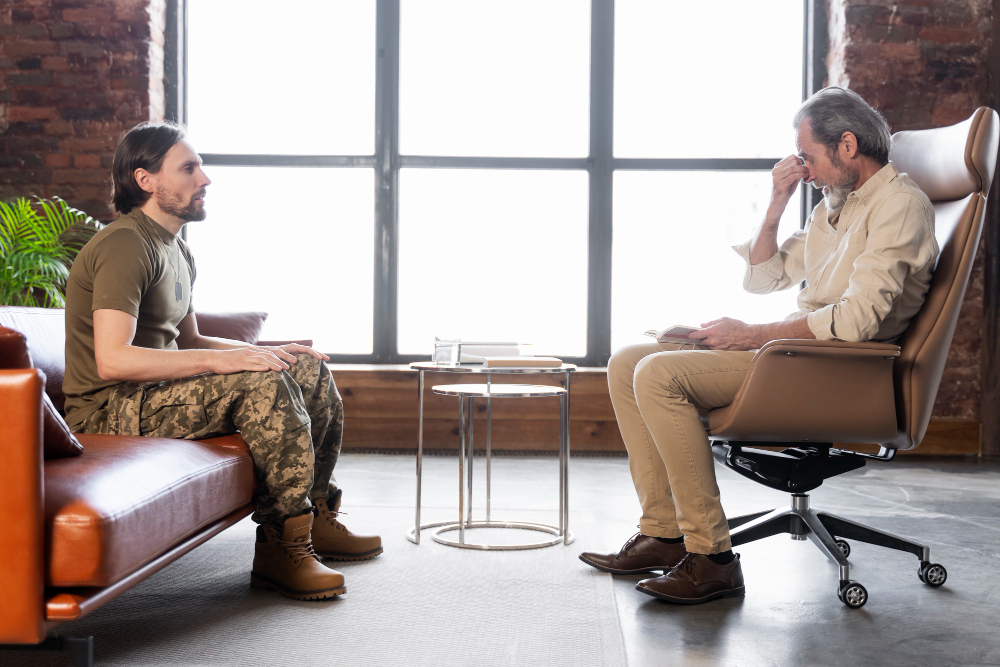
A de-addiction rehabilitation centre is a special place where people get help for addiction. These centres offer a safe space for recovery. Here, trained staff guide people through the rehabilitation centre process. They use proven methods to help people stop using drugs or alcohol. In addition, these centres often provide medical care, counseling, and group support. Many centres are designed to make people feel comfortable and cared for during their stay.
What Happens Inside a De-addiction Rehabilitation Centre?
Inside a rehabilitation centre, many steps help people recover. First, staff check each person’s health and needs. Next, a treatment plan is made just for them. During the stay, people follow a daily routine. This routine includes therapy, group sessions, and healthy activities. For example, some centres offer art or exercise classes. Staff also teach new ways to cope with stress. Because everyone is different, the rehabilitation centre process may change from person to person. Most importantly, people are never alone. Support is always available.
Types of Treatments Offered
Rehabilitation centres use many types of addiction treatment. Each method helps people in different ways. Some common treatments include:
Because every person is unique, staff choose the best mix of treatments for each case. According to the National Institute on Drug Abuse, combining these methods often leads to better results.
Daily Life and Support Systems
Life inside a rehabilitation centre follows a set routine. Each day, people take part in therapy, group meetings, and healthy activities. For example, mornings may start with meditation or exercise. Afterward, people join group sessions or workshops. Meals are planned to support good health. In the evenings, there may be quiet time or creative activities. Throughout the day, staff are always available to help. In addition, support systems like peer groups and mentors play a big role. These support systems help people feel understood and less alone.
Preventing Relapse
After leaving a rehabilitation centre, some people worry about relapse. Relapse means starting to use a substance again after stopping. However, centres teach many ways to prevent relapse. For instance, people learn how to avoid triggers, or things that make them want to use again. They also practice coping skills to handle stress. Many centres offer aftercare programs, which include regular check-ins and support groups. Staying connected to these support systems can lower the risk of relapse.
Addiction can be managed with timely support and care. Consult Pure Life Foundation Charitable Trust for help.